Most people don’t shop for a new air conditioner very often, so if you’re not sure where to start, you’re in good company! Whether you’re replacing an older unit that’s finally called it quits or putting air conditioning into a home for the first time, it’s a key purchase that you’ll live with for years. You want to get it right, because when it’s wrong, you feel it in your home comfort and pay for it with a system that will likely need more repairs and wear out earlier than expected.
In this blog, Thiele Heating & Air Conditioning answers some of the most common questions people have when shopping for a new air conditioner in Zionsville, IN. Our focus is on helping you make a confident decision that’s right for your home and your budget.
What is the Best Air Conditioner to Buy?
That’s one of the first questions homeowners ask, but the answer isn’t just about picking a brand name you recognize. Yes, you probably want to stick with the top brands because of their reliability, warranties, and parts availability, but that’s not all that matters. Another big decision is choosing the right system type for your home.
For most families, that’s a traditional central air conditioner, but depending on your house and how you plan to heat and cool it, a heat pump or ductless mini split might be a better choice. If you’re shopping for a new air conditioner in Zionsville, here’s what you should know about each option.
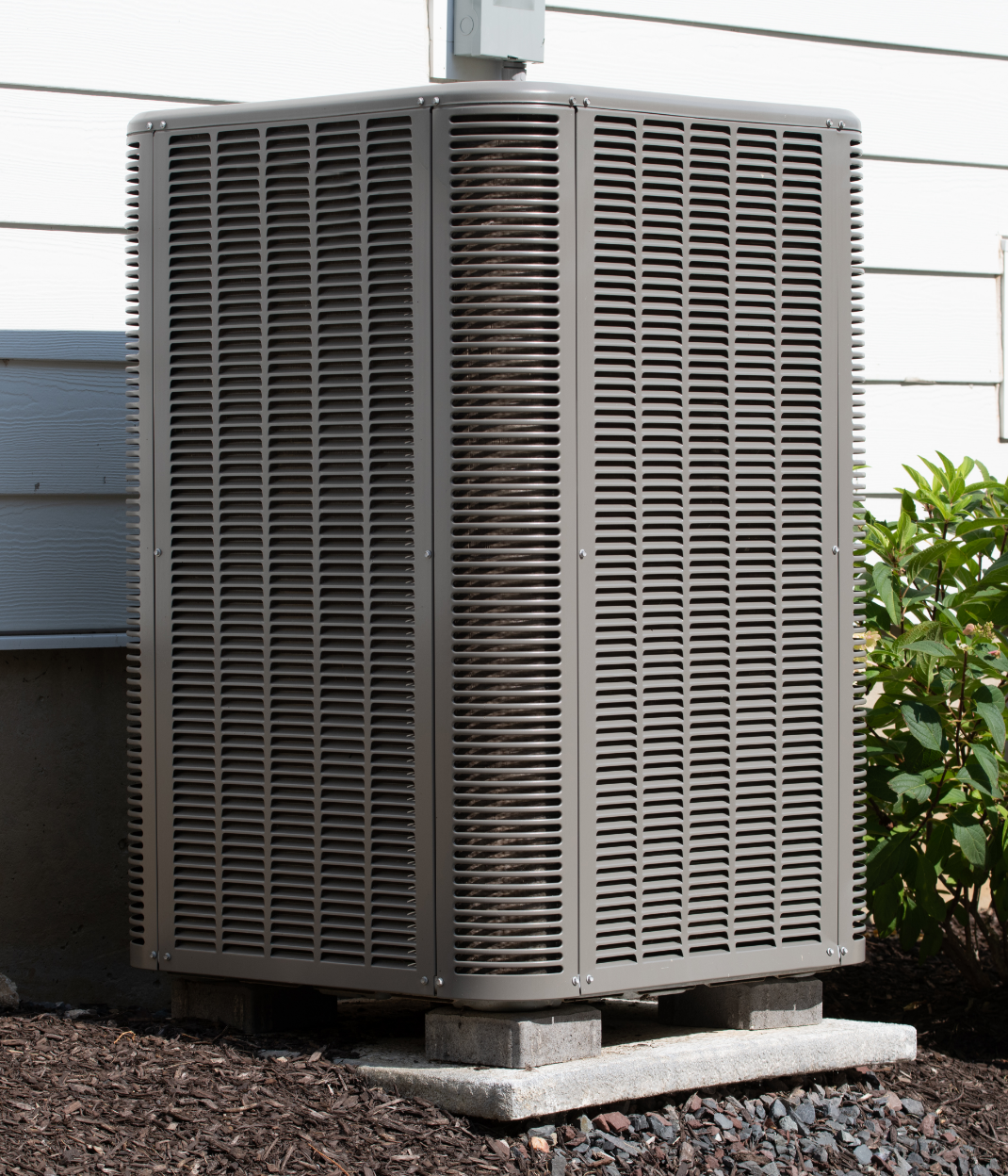
- Central Air Conditioning Systems: This is the most common choice for homes with ductwork. It’s a split system with an outdoor unit and an indoor unit connected by refrigerant lines. The refrigerant carries heat from inside your home to the outdoors while your furnace or air handler circulates cool air through the house.
- Heat Pumps: An air source heat pump works much like a central air conditioner in the summer by moving heat outside. In the winter, it reverses the refrigerant flow to transfer heat back into your home, giving you both heating and cooling from one system.
- Ductless Mini Splits: A ductless mini split air conditioner is designed to directly cool a specific room or area, like a hot upstairs bedroom, finished basement, or converted garage or attic. has an outdoor unit connected to one or more indoor units by a small bundle of refrigerant lines, electrical wiring, and a drain line that passes through the wall. Each indoor unit has its own remote control or thermostat, so you can adjust the temperature independently.
The best air conditioner to buy is one that fits your home, your comfort needs, and your budget. What you choose may not be the same as your neighbor, and that’s okay!
What Size Air Conditioner Do I Need?
The new air conditioner Zionsville homeowners like you want is one that kicks on when it’s needed and doesn’t require a lot of adjustment. It just does its job. That starts with proper sizing. An air conditioner’s cooling capacity is measured in BTUs, which stands for British Thermal Units—a measurement of how much heat the system can remove from your home each hour.
Choosing the right AC system isn’t based on square footage alone. Several factors work together to determine how many BTUs your home needs, including:
- The size and layout of your home, along with the size of each room
- Insulation levels and how well your home holds conditioned air
- The number, size, and direction of your windows
- Ceiling height and how much afternoon sun your home receives
- The condition and design of your ductwork
An oversized unit often cools too quickly without removing enough humidity, while one that’s too small can run constantly and still struggle during the hottest days of summer. When the BTU rating is matched to your home, you’ll enjoy better comfort and greater long-term energy savings that can lead to lower energy bills.
What Do Air Conditioner Efficiency Ratings Mean?
When you start comparing air conditioner systems, you’ll see a number called SEER2 on every model. SEER2 stands for Seasonal Energy Efficiency Ratio 2. It’s the current industry standard used to measure how efficiently an air conditioner cools your home over an entire cooling season.
A higher SEER2 rating means the system uses less electricity to produce the same amount of cooling, which can reduce energy usage and help lower your cooling bills over time.
13.4–15.2 SEER2: Good Efficiency at a Lower Cost
In Indiana, 13.4 SEER2 is the minimum efficiency rating for new AC units. Systems in the 13.4 to 15.2 SEER2 range are a popular choice because they balance upfront cost with dependable performance.
15.2–18+ SEER2: Higher Efficiency and More Features
If you’re planning to stay in your Zionsville home for many years, it may be worth looking at more energy-efficient AC units with a high SEER rating. Air conditioners in the 15.2 to 18+ SEER2 range generally use less electricity while often including features like two-stage or variable-speed compressors.
Along with lowering energy usage, these systems tend to cool more evenly, remove humidity more effectively, and operate more quietly than basic models.
ENERGY STAR® Certified Equipment
An ENERGY STAR® label means the equipment has met energy-efficiency requirements established by the U.S. Environmental Protection Agency. To earn that certification, systems must exceed the federal minimum efficiency standards while maintaining reliable performance.
While ENERGY STAR certification isn’t the only thing to evaluate, it’s a helpful indicator that you’re looking at equipment designed to deliver energy-efficient cooling and long-term value.
Why is My Air Conditioner So Loud?
If your old air conditioner makes a loud bang, hum, or roar every time it starts, it may simply be showing its age. Older cooling equipment is often much louder than today’s systems, and worn parts can make the noise even more noticeable. That’s one reason many homeowners consider sound when shopping for a new air conditioner in Zionsville.
Manufacturers measure sound using decibels (dB). The lower the dB rating, the quieter the system. Many older units operate around 70–76 dB, while newer models often fall between 55–70 dB, depending on the features. That extra noise reduction can make a big difference if your unit sits outside a bedroom window, near a patio, or anywhere you enjoy spending time.
A quieter air conditioner won’t cool your home any better, but it can make everyday life more enjoyable. If creating a quiet, comfortable environment is important to you, be sure to compare sound ratings along with efficiency and performance before making your decision.
What AC Features Are Worth Paying For?
If it’s been 10+ years since you last bought a cooling system, it’s pretty incredible how much has already changed. Today’s equipment offers more comfort, better efficiency, and more convenience than ever before.
Compressor Technology
The compressor is the heart of your air conditioner. It’s responsible for moving refrigerant through the system so heat can be removed from your home. Not all compressors work the same way, and the type you choose has a big impact on comfort, noise, and efficiency.
- Single-stage compressors have one speed: 100%. They turn on at full power, cool your home until the thermostat is satisfied, then shut off. They’re reliable and typically the most affordable option.
- Two-stage compressors have a low setting and a high setting. Most days they run on the lower speed, then automatically switch to full power during especially hot weather. This provides more even temperatures and better humidity control.
- Variable-speed compressors continuously adjust their output instead of simply turning on and off. Rather than blasting cold air for short periods, they make small changes throughout the day to maintain a steady temperature. The result is quieter operation, fewer temperature swings, improved humidity control, and lower energy use.
If comfort is a top priority, compressor technology is one of the most important features to compare when shopping for a new air conditioner in Zionsville. It affects how your home feels every day—not just your utility bill.
Smart Thermostats and Connected Features
Smart thermostats have become much more capable than simple programmable models. Along with remote access and scheduling, many can work directly with compatible air conditioners to adjust fan speeds and cooling output based on your home’s needs. That means steadier temperatures, improved humidity control, and less wasted energy.
Built-In System Monitoring
Some newer air conditioners come with advanced technology that can monitor their own performance and alert you when problems are developing or maintenance is due. That doesn’t always prevent repairs, but it can help identify issues before they become bigger, more expensive problems.
The best features are the ones you’ll actually use. Think about how you live, how long you plan to stay in your home, and what matters most—lower utility bills, quieter operation, improved comfort, or added convenience. That will help you choose the right options without paying for features you don’t need.
How Much Does a New Air Conditioner Cost?
This is one of the biggest questions homeowners have, and for good reason! Most of the time, it’s what everything comes down ot. Your air conditioner replacement cost or the cost of a brand-new installation depends on the equipment you choose, your home’s setup, and how much work is involved.
Whether you’re installing air conditioning for the first time or considering air conditioning replacement in Zionsville for an older system, here are some of the biggest factors that affect the total investment.
- AC Size: Larger homes typically need a system with greater cooling capacity, while smaller homes can often be cooled effectively with a smaller unit.
- Efficiency Rating: Higher-efficiency models usually cost more upfront, but many homeowners recover some of that investment through lower utility bills over time.
- Installation Complexity: Replacing an existing air conditioner is often more straightforward than installing one for the first time. Changes to ductwork, electrical service, or other parts of the HVAC system can also affect the price.
- AC Features: Compressor type, quieter operation, smart thermostat compatibility, humidity control, and other upgrades can all influence the total cost.
- System Type: Manufacturers offer a wide selection of systems ranging from basic models to premium equipment with additional comfort and efficiency features.
An HVAC professional should inspect your current equipment (if applicable), evaluate your home’s cooling needs, and explain your options before recommending a system or providing a quote for a new air conditioning installation.
Thiele Can Install a New Air Conditioner That’s Right for You
Whether you’re installing new or upgrading an old unit, there’s a lot to consider. But you’re not alone in the process! Thiele Heating & Air Conditioning installs the new air conditioner Zionsville homes need to stay cool without making the experience feel any more overwhelming than it already is.
As a Bryant Authorized Dealer, we’re proud to recommend equipment we trust and would install in our own homes. Just as important as the equipment itself is professional installation, because even the best air conditioner won’t perform the way it should if it isn’t installed correctly.
Financing is available for qualified customers, making it easier to improve your home comfort without putting your plans on hold. When you’re ready to take the next step, request a quote from Thiele today!