Shopping for a new air conditioner in Indianapolis should be exciting because it means your home is about to get a whole lot more comfortable! But buying HVAC equipment isn’t something most people do often. There are plenty of choices, plenty of advice, and plenty of questions along the way. That’s why Thiele Heating & Air Conditioning put together this handy guide to help you understand your options and feel more confident about your decision.
What SEER Ratings Mean and Why They Matter
It’s easy to focus on the price tag when comparing air conditioners, but it’s just as important to think about what the system will cost to run every month. Air conditioning units often run daily from late spring through early fall, and your system’s energy efficiency can have a noticeable impact on long-term ownership costs. That’s why one of the first things you’ll want to understand when installing a new air conditioner is the Seasonal Energy Efficiency Ratio, or SEER.
SEER is essentially a measurement of how much cooling an air conditioner produces compared to the amount of electricity it uses. Think of it like fuel economy for your car. A higher number means the system uses less electricity to keep your home comfortable.
- A higher Seasonal Energy Efficiency Ratio means the system can produce the same amount of cooling with less energy usage.
- A more energy efficient AC unit can help reduce monthly energy bills, especially during the hottest parts of summer.
- A higher efficiency rating often means the equipment can maintain a more consistent set temperature throughout the home.
- A higher SEER rating may cost more upfront, but many homeowners appreciate the long-term energy savings and cooling bills that can come with it.
The goal isn’t simply buying the highest rating available—it’s finding the right balance between investment, performance, and keeping your home cool. Many older Indianapolis homes still have air conditioners rated around 10 to 13 SEER, while today’s equipment often starts at 14.3 SEER2 and can go much higher.
How Air Conditioner Sizing Works
Not all homes need the same size air conditioner, even if they look similar from the outside. The right AC size depends on how the home is built, how it’s used, and how much heat it gains throughout the day. That’s why proper sizing is one of the most important parts of choosing a new air conditioner.
- Your home’s square footage is important, but so are other factors like ceiling height, insulation levels, window size and placement, and how much afternoon sun the house receives.
- Every air conditioner has a specific cooling capacity measured in British thermal units (BTUs). For example, a system rated at 36,000 BTUs removes more heat than one rated at 24,000 BTUs.
- An oversized unit may cool the house quickly but shut off before removing enough humidity, leaving the air feeling damp and clammy.
- A professional load calculation helps an HVAC contractor determine exactly how much cooling power the home needs.
If you’re planning an AC replacement, don’t assume the new system should automatically be the same size as the old one. Maybe you’ve finished a basement, added living space, upgraded insulation, replaced windows, or changed how different areas of the home are used.
It’s also possible the original system wasn’t sized correctly in the first place, which could explain years of humidity problems, uneven temperatures, high utility bills, or constant cycling. A system that’s been properly sized by a professional is a must!
How the Compressor Affects Your System’s Performance
The compressor is the part of the system that moves refrigerant and creates the cooling your home feels. It has a major impact on how your cooling system performs, how evenly it cools, how well it controls humidity, and how often you notice it running.
Single-Stage Compressors
Single stage compressors have one setting: full power. When the thermostat calls for cooling, the system turns on and runs at 100% capacity until the desired temperature is reached. Because of their simpler design, single stage systems are often the most affordable option. The tradeoff is that temperatures and humidity levels can fluctuate more between cooling cycles.
Two-Stage Compressors
A two-stage compressor gives the system a middle ground between basic and premium equipment. Most of the time, it operates in a low stage, which is enough to handle everyday cooling needs. When Indianapolis temperatures climb into the 90s or the house needs extra cooling, it shifts into full capacity. This longer, gentler operation often leads to more even temperatures, better humidity control, and quieter performance.
Variable-Speed Compressors
A variable speed compressor takes things a step further. Instead of operating at one speed or switching between two settings, it continuously adjusts output based on what the home needs at that moment. Rather than waiting for the house to warm up and then blasting cold air, the system makes small adjustments throughout the day to stay ahead of temperature changes. The result is steadier cooling, excellent humidity control, quieter operation, and some of the highest efficiency levels available today.
The right choice depends on what matters most to you. Some people want the lowest upfront cost. Others are willing to invest more for more advanced technology—what do you want?
Why Some Air Conditioners Sound Different
Not all air conditioners make the same amount of noise. Some seem to fade into the background, while others make their presence known every time they start up. If your current system is loud enough that you notice it from inside the house, you’ll be happy to know that many newer models are significantly quieter.
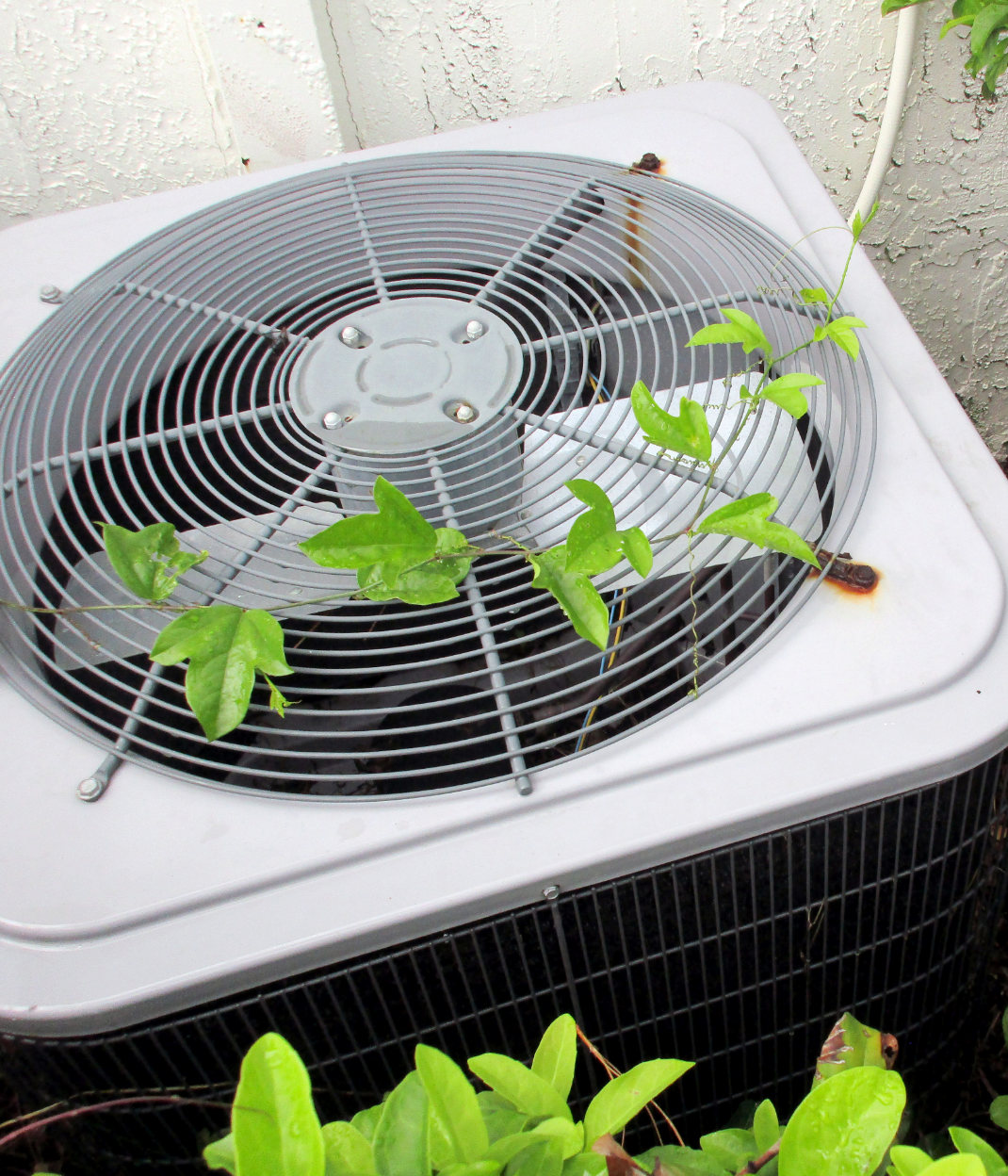
- The outdoor condenser is responsible for most of the noise people hear around the home.
- Indoor components like the blower motor and airflow moving through the ductwork contribute to indoor background noise.
- Variable-speed equipment tends to start and stop more gently, avoiding the sudden rush of sound common with older systems.
- Equipment designed for quiet operation can make a noticeable difference when installed near a bedroom window, outdoor seating area, or frequently used gathering space.
Manufacturers publish sound ratings in decibels so you can compare air conditioner systems side by side. Some standard systems operate around 70 dB, while certain premium models run much quieter. It’s another detail worth considering since you’ll likely be living with the system for many years.
What Advanced Technology Brings to Your Home
If it’s been 10 or 15 years since you last purchased an air conditioner, you’ll notice that equipment has become much smarter. Systems on the market today offer more control, more customization, and more ways to keep your home comfortable than ever before. The question is which features are worth paying for.
- A smart thermostat makes it easy to adjust temperatures whether you’re sitting on the couch or away for the weekend. Many models can learn your schedule and automatically reduce cooling power when nobody is home.
- Some systems use advanced technology like variable-speed compressors and fan motors that automatically adjust output instead of running at full power all the time. This can help maintain more consistent temperatures, improve humidity control, and reduce energy use.
- Built-in reminders can notify you when it’s time to change filters, schedule maintenance, or address a developing issue before it turns into a costly repair.
Not every feature is necessary for every household. The best approach is choosing technology that fits the way you actually live and will continue to be useful long after installation day.
What the Different AC Options Are
When people picture an air conditioner, they’re usually thinking about a traditional central air conditioner. That’s still a great option for many homes, but it isn’t the only choice available. Depending on your home’s layout and existing equipment, one of several other systems may be worth exploring.
Central Air Conditioners
A central air conditioner is still the most common AC system in Indianapolis. These systems use an outdoor unit and an indoor unit connected through ductwork to cool the entire house. If your home already has a furnace and ducts, a modern split system is often the most straightforward upgrade. Today’s central air conditioning systems are quieter, more efficient, and better at controlling humidity than older equipment.
Heat Pumps
Heat pumps cool your home in the summer and can also provide heat during much of the year. They look very similar to a traditional air conditioner but offer both heating and cooling from the same piece of equipment. Many homeowners consider this system type when they’re thinking about upgrading more than just their air conditioner. Depending on the setup, a heat pump can work alongside a furnace.
Ductless Mini Splits
A ductless mini split can be a great option if part of your home never seems to stay comfortable. They’re commonly installed in room additions, finished basements, bonus rooms, upstairs bedrooms, garages, and older homes where adding ductwork isn’t practical or possible. These systems use compact indoor air handlers connected to an outdoor unit and allow temperatures to be adjusted independently with a remote control. Among the other systems available today, mini splits offer one of the easiest ways to add heating and cooling without major remodeling.
The best air conditioner for you depends on how you use your home, what equipment you already have, and what problems you’re trying to solve with your next air conditioner.
How Much Does a New AC Unit Cost?
Whether you’re installing new or replacing an existing system, one of the biggest questions is cost. Your AC unit cost can vary based on the size of the home, the efficiency level you choose, the features you want, and the amount of work required to complete the installation. Some homeowners are adding AC to a space for the first time, while others are comparing the air conditioner replacement cost of upgrading older equipment.
- The size and layout of the home can have a big impact on pricing. A larger two-story house will typically need a different solution than a smaller ranch, which can affect the overall AC unit cost.
- More efficient equipment is often more expensive upfront, but many homeowners choose it because they plan to stay in the home for years and want lower utility bills, better humidity control, and improved comfort.
- The condition of the existing HVAC system matters too. Worn ductwork, outdated thermostats, electrical upgrades, or airflow problems can create additional costs, but addressing those issues can help the new system perform the way it’s supposed to.
A good HVAC company will explain your options clearly, provide transparent pricing, and help you find a new air conditioner in Indianapolis that fits both your home and your budget.
Questions? Quotes? Thiele Is Here to Help
Choosing a new air conditioner is a big decision, and you don’t have to figure it out alone. The team at Thiele Heating & Air Conditioning is happy to answer questions, explain your options, and provide a free estimate for the new air conditioner Indianapolis homeowners need to stay cool and comfortable.
We’ve been helping Central Indiana homeowners stay comfortable since 1883, and that experience shows in everything we do. As a Bryant Authorized Dealer, we can help you compare equipment, understand efficiency options, and choose a system that fits your home. Financing is available for qualified customers, and we’ll continue supporting your system with regular maintenance and routine and emergency repairs. If you’re ready to move forward, we’d love to help! Talk to Thiele about installing a new air conditioner in Indianapolis today.