
Shopping for a new air conditioner is a big deal. It’s not something you do very often, and chances are you have more questions than answers right now. What is the best air conditioner to buy? How much should I spend? What features are really worth it? At Thiele Heating & Air Conditioning, we’ve been answering these questions for what feels like 100 years—actually, make that more than 140!
We’ve been installing heating and cooling systems in Central Indiana homes since 1883, so we know a thing or two about choosing the right AC. We put together this guide to help you shop with confidence and find a new air conditioner in Fishers, Indiana, that you’ll be happy with for many summers to come.
What SEER2 Ratings Mean
One of the first things you’ll notice when comparing new air conditioners is something called a SEER2 rating. SEER2 stands for Seasonal Energy Efficiency Ratio 2, and it’s simply a way to measure how efficiently an air conditioner cools your home over the course of an entire cooling season. Think of it like miles per gallon on a car. Two air conditioners might cool your home equally well, but the one with the higher SEER2 rating will generally use less electricity to do it.
That matters in Central Indiana, where air conditioners often run every day from late May through September. A more efficient system can reduce the amount of electricity needed to keep your home comfortable, which may help lower your monthly utility bills. The savings become even more noticeable if your current air conditioner is 12 to 15 years old or older.
The new air conditioner Fishers homes need is generally around 13.4 SEER2 and higher, ideally in the 16-18 range. Many older homes are still using equipment rated around 10 to 13 SEER. At Thiele, we’ll help you compare the numbers and determine which efficiency level makes the most financial sense for your home—not just today, but for the next 15 years or more.
How Air Conditioner Sizing Works
One of the biggest mistakes people make is assuming a bigger air conditioner is always better. In reality, choosing the right AC unit is about matching its cooling power to your home’s actual cooling needs. While home size is certainly part of the equation, it’s far from the only thing that matters. Here’s what goes into properly sizing new cooling equipment:
- A load calculation goes beyond square footage. A professional load calculation considers insulation levels, ceiling height, windows, sun exposure, ductwork, air leakage, and room layout—not just the size of the house.
- Every system has a specific cooling capacity. Air conditioners are measured in BTUs (British Thermal Units), which tells you how much heat they can remove from your home each hour. The goal is finding the right amount of cooling, not simply the biggest system available.
- An oversized unit can create problems. When a system cools too quickly, it often shuts off before removing enough humidity. That can leave your home feeling cool but damp while also increasing wear and tear from frequent starts and stops.
- Homes change over time. New windows, added insulation, finished basements, room additions, or even removing large shade trees can all change your home’s cooling requirements. That’s why replacing an old system with the exact same size isn’t always the right answer.
With the right sizing and professional installation, your new air conditioner has a much better chance of cooling evenly, controlling humidity, and lasting as long as it should. Your cooling bills will also be better!
Why the Compressor Is a Key Factor
When you’re comparing new air conditioners in Fishers, you’ll probably hear a lot about the compressor—and for good reason. It’s often called the “heart” of the air conditioning system because it’s responsible for circulating refrigerant and making the cooling process possible. The type of compressor your cooling equipment uses affects how your AC performs and how your home feels.
Single-Stage Compressors
A single-stage compressor has one speed: on or off. When your thermostat calls for cooling, it runs at 100% capacity until the set temperature is reached, then shuts off completely. These systems can be an excellent choice for homeowners looking for a new air conditioner in Fishers that’s dependable and generally more affordable.
Two-Stage Compressors
A two-stage compressor gives your system a second gear. Most of the time, it runs at a lower speed because your home doesn’t need maximum cooling. When temperatures climb into the upper 80s or 90s, or your house needs extra cooling after being empty all day, it automatically shifts to full power. The longer run times at lower speeds often provide more even temperatures, quieter operation, and better humidity removal.
Variable-Speed Compressors
A variable-speed compressor doesn’t just have one or two speeds—it can make small adjustments throughout the day to match your home’s cooling needs. Instead of repeatedly turning completely on and off, it speeds up and slows down as conditions change. That means more consistent temperatures from room to room, outstanding humidity control, quieter operation, and some of the highest efficiency ratings available in a new AC system.
The best compressor isn’t the same for everyone. Some people are focused on keeping the upfront cost as low as possible, while others want the investment in energy savings. The Thiele team will help you compare your options and explain what to expect with each one.
What Impacts Your Air Conditioner’s Noise Level
Air conditioner noise is easy to overlook until the system is loud enough to interrupt a conversation on the patio or wake someone up when it starts. If your current AC thumps, rattles, or roars every time it kicks on, a new unit may feel noticeably quieter.
- The outdoor unit usually makes the most noise. The fan, compressor, and cabinet design all affect how much sound you hear from the yard, patio, or nearby bedroom window.
- Indoor sound matters too. Blower motors, ductwork, air velocity, and return vents can all create noise inside the home, especially if airflow is restricted.
- System design affects startup noise. Single-stage systems often start more noticeably, while two-stage and variable-speed systems usually ramp up more gradually.
- Decibel ratings help you compare. Many standard systems operate around the 70 dB range, while models designed for quiet operation may run much lower depending on the equipment.
Noise is one of those details you may live with every day, so it is worth talking about before you buy a new air conditioner in Fishers. If your outdoor unit sits near a bedroom, deck, neighbor’s property line, or favorite sitting area, we can help you compare sound ratings and choose equipment that fits your home better.
How Modern Technology Impacts Your Air Conditioner
If your old unit has been faithfully cooling your home for the last 10 or 15 years, you may be surprised by how much has changed. Modern systems aren’t just more efficient—they’re smarter, quieter, and better at keeping your home consistently comfortable. The key is knowing which features you’ll want to pay for and which ones you can skip.
- Smart thermostats put control in your pocket. Adjust the temperature from your phone, create schedules, receive maintenance reminders, and come home to a comfortable house without cooling it all day.
- Variable-speed technology adapts throughout the day. Instead of blasting at full power every time the thermostat calls, some systems automatically speed up and slow down to better match the conditions and be more energy efficient.
- Better humidity control means greater comfort. Many newer systems remove moisture more effectively, so your home feels cooler even when the thermostat is set a little higher.
- Built-in system monitoring adds peace of mind. Some equipment with advanced technology can detect developing issues, remind you when it’s time to change the filter, or alert you when maintenance should be scheduled.
The new air conditioner Fishers homeowners want is typically one that solves the frustrations they’ve been living with for years. Whether that’s lower energy bills, quieter operation, better humidity control, or more consistent temperatures, focus on the features you’ll notice every day, not just the ones that sound impressive in a brochure.
What Types of Air Conditioning Systems Are Available
While central air conditioning systems are still the most common choice, they’re not the only option available today. Depending on your home’s layout, the equipment you already have, and what you’re hoping to improve, one of several air conditioner systems may be a good fit.
Central Air Conditioners
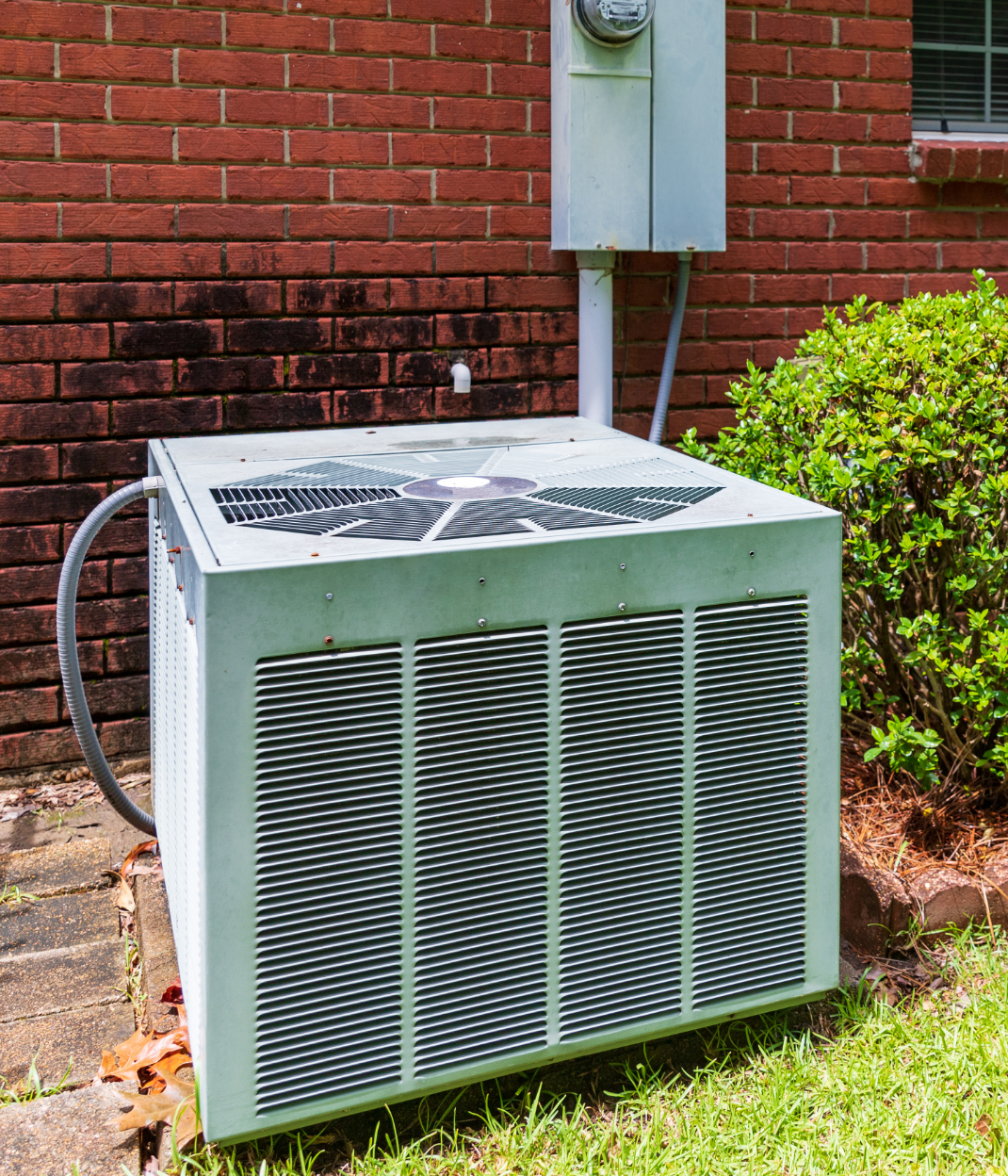
Central air is still widely used across Fishers homes. A central air conditioner removes heat from inside your home and releases it outdoors through an outdoor unit. At the same time, an indoor unit—typically an evaporator coil installed above your furnace—absorbs heat from your indoor air. That cooled air is then pushed through your home’s ductwork and delivered to every room. If you already have ducts in good condition, a central AC system is often the easiest replacement.
Air Source Heat Pumps
An air source heat pump works almost exactly like a central air conditioner during the summer by moving heat from inside your home to the outdoors. The difference is that it can reverse that process in cooler weather, pulling heat from the outdoor air and bringing it inside to warm your home. Because heat pumps provide both heating and cooling from the same piece of equipment (unlike with a furnace and central air conditioner), more people are choosing them for their convenience and potential cost savings.
Ductless Mini Splits
A ductless mini split system works on the same basic refrigeration principles as central air, but without ductwork. One outdoor unit connects to one or more compact indoor air handlers mounted in the rooms you want to heat and cool. Each indoor unit delivers air directly into that space, allowing different rooms to have different temperature settings. They’re an excellent heating and air conditioning solution for finished basements, garages, sunrooms, bonus rooms, older homes, and other areas where installing ducts would be difficult or expensive.
Other systems outside of central air are available, and we can explore all of your options. For example, you may think you need a bigger air conditioner to finally cool down both your basement and upstairs, but really, you would benefit from adding a mini split to the bottom level.
What Does a New Air Conditioner in Fishers Cost?
A new air conditioner is one of the larger investments you’ll make in your home, so it’s natural to wonder where all the costs come from. Pricing can vary widely, and that’s usually because the equipment is only one piece of the puzzle. The total cost of a new air conditioner in Fishers depends on the home, the installation, and the options you choose.
- Bigger homes often require bigger systems. More square footage generally means more cooling capacity is needed.
- Efficiency and features affect the price. Premium systems are more expensive upfront, but they often provide quieter operation, better humidity control, and lower monthly energy costs.
- Sometimes the home needs attention, too. Upgrading ductwork, thermostats, or electrical components can help the new system perform the way it should.
Installation quality matters. Even the best air conditioner won’t live up to its potential if it isn’t installed correctly. A trustworthy HVAC company (like ours!) will take the time to explain your options instead of handing you a quote and hoping for the best. The more you understand what you’re paying for and who the people are doing the work, the more confident you’ll feel in your decision.
Talk With Thiele and Find the Air Conditioner That’s Right for You
There’s a lot to think about when it’s time to install or replace an air conditioner, and we hope this blog has helped! The team at Thiele Heating & Air Conditioning will help you choose the proper unit for your home, explain your options clearly, and answer every single question along the way.
Thiele is proud to be a Bryant Authorized Dealer for the local area, and we highly recommend these systems and use them in our own homes. We’ll install your new system correctly, help you prevent costly repairs with maintenance, and be here whenever you need service for your air conditioner or heating systems. Worried about your budget? HVAC system financing is available! Your home only feels like home when it’s comfortable, so work with a team that goes the extra mile to make sure yours is. Request a quote for a new air conditioner in Fishers today!